


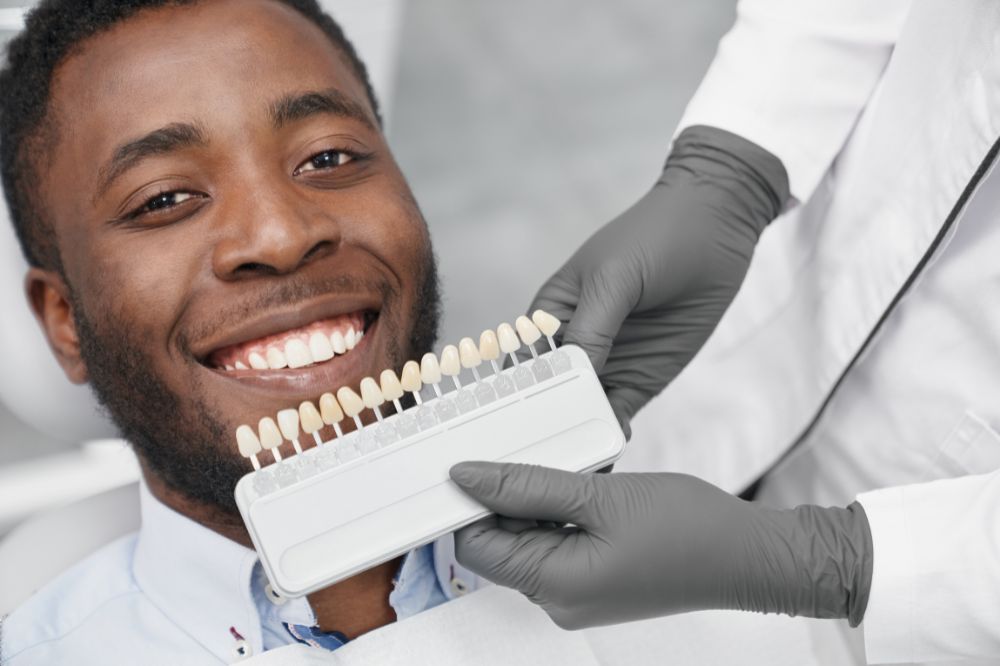
Wondering why veneers aren’t always recommended for every smile? While they can make teeth look brighter and more even, they may not be the right choice for everyone. Understanding the reasons can help you make a safe and informed decision for your smile with guidance from a dentist near Signal Hill.
What Are Veneers and Why Aren’t They for Everyone?
Veneers are thin shells that cover the front of your teeth. While they can make teeth look smooth and white, they also require the removal of a small amount of natural tooth enamel. This is permanent, which is one reason a dentist’s opinion on veneers can vary depending on your oral health and long-term goals.
Reasons Dentists May Advise Against Veneers
Here are some of the most common reasons dentists may recommend another treatment instead:
- Not enough enamel to support the veneer
- Teeth grinding (bruxism) can cause veneers to crack.
- Weak or damaged teeth that may need crowns instead
- Gum disease, which must be treated first
Very stained or uneven teeth that may not respond well to veneers
When Are Veneers Not the Finest Option?
Sometimes the condition of your teeth makes veneers a risky choice. If a person has tooth decay or weak enamel, veneers might not be strong enough to last. People who grind their teeth may also be more prone to breaking or chipping veneers, leading to additional repairs.
Another concern is that veneers cannot be removed. Once enamel is removed, it cannot regrow. This is why dentists carefully consider your long-term dental health before recommending them.
Why Your Dentist Might Suggest Alternatives
Before placing dental veneers near you, a dentist needs to check if they will last and look natural. If your teeth require additional support, your dentist may recommend crowns, bonding, whitening, or orthodontic treatment. These options may be safer for certain smiles and still give great cosmetic results.
Some alternatives include:
- Dental bonding for small chips
- Crowns for broken or weak teeth
- Braces or aligners for spacing issues
- Teeth whitening for staining.
Each treatment has its own benefits tailored to your specific dental needs.
What Do Dentists Really Think About Veneers?
A dentist’s opinion on veneers is usually based on protecting your natural teeth. Veneers can last for many years, but they require excellent oral hygiene and regular dental care to maintain their appearance. Dentists may feel that some patients expect veneers to solve all cosmetic problems, even when another option would be healthier and longer-lasting.
Here are a few reasons dentists proceed with caution:
- Veneers cannot fix gum disease or unhealthy teeth.
- They are not recommended for children or teens.
- They may look unnatural if gum recession happens later.
- Veneers require lifetime maintenance and replacement.
Signs Veneers May Not Be Right for You
If you have any of the issues below, your dentist may suggest a different treatment:
- Frequent teeth grinding
- Large fillings
- Receding gums
- Very sensitive teeth
- Poor daily brushing or flossing habits
Your dentist’s goal is always to keep your natural teeth strong and healthy. If veneers could put them at risk, another option may be safer and more affordable.
Thinking About Veneers? Let Us Guide You Safely!
Ready to explore the safest options for your smile? Maintain your teeth’s health and beauty with the right cosmetic solution. Book your consultation today at Glamorgan Dental and let our team guide you toward the best option for your smile.
Find our dental clinic quickly on Google Maps and get directions in just one click. 📍
FAQs
Are veneers bad for your teeth?
No, but they require enamel removal, which is a permanent procedure. They are only safe when your teeth are healthy enough to support them.
Do veneers look natural?
Yes, high-quality veneers look very natural when shaped and shaded correctly.
How long do veneers last?
Most veneers last 10–15 years with good oral care.
Who should avoid veneers?
Individuals with weak enamel, active cavities, gum disease, or severe teeth grinding may not be suitable candidates.