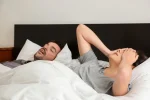


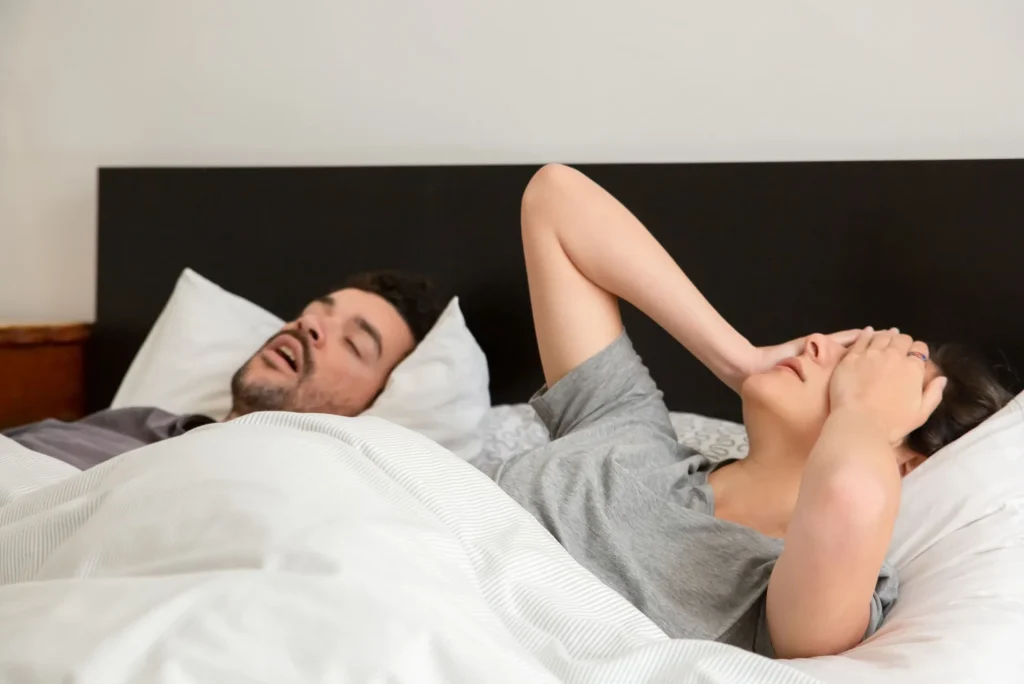
You wake up with a dry mouth, and your partner says you’ve been snoring again. After seeing videos about mouth taping, you wonder whether it might help. Before trying it, a dentist in SW Calgary can discuss your symptoms and help you understand whether a sleep assessment is needed. Keeping your lips closed won’t necessarily address what’s causing the snoring.
What Is Mouth Taping?
Mouth taping involves placing adhesive tape over your lips before sleeping. The idea is to encourage breathing through your nose rather than your mouth.
You may have seen claims that it reduces snoring, prevents dry mouth, or improves sleep. However, research supporting these benefits is limited, and mouth taping hasn’t been established as a treatment for obstructive sleep apnea.
If your nose becomes blocked during the night, restricting mouth breathing could make it harder to breathe comfortably.
Is Mouth Taping Safe for Snoring?
You may be wondering, is mouth taping safe for snoring? That depends partly on why you snore. Even then, there isn’t enough reliable evidence to recommend it as a routine solution.
Snoring can occur when the tissues in your throat relax during sleep, narrowing the airway. The sound itself doesn’t always mean something is wrong. But if your breathing keeps stopping and starting during the night, sleep apnea could be the reason.
Putting tape over your lips won’t stop your airway from narrowing while you sleep.
Mouth taping may be particularly risky if you have nasal congestion, difficulty breathing through your nose, or possible sleep apnea. Speak with a healthcare professional before trying it.
When Snoring May Be a Sign of Sleep Apnea
Your partner might notice that your snoring suddenly stops, followed by a gasp or snort. You may not remember any of it the next morning.
These interruptions can occur with obstructive sleep apnea, a condition in which breathing repeatedly becomes reduced or stops during sleep.
Other symptoms worth mentioning include:
- Waking up choking or gasping for air
- Morning headaches or a dry mouth
- Feeling unusually sleepy during the day
- Trouble concentrating despite getting enough sleep
- Loud snoring with noticeable breathing pauses
Not everyone with sleep apnea snores, and snoring alone doesn’t confirm the condition.
A physician or qualified sleep specialist can arrange testing and make a diagnosis. If you struggle to stay awake while driving, avoid driving and seek medical advice promptly.
Mouth Taping vs Oral Appliance: What’s the Difference?
When comparing mouth taping vs oral appliance treatment, the main difference is how each approach affects breathing.
Mouth tape limits your ability to open your lips. It doesn’t position your jaw to help reduce airway obstruction.
An oral appliance looks similar to a mouthguard, but it has a different purpose. You wear it while sleeping to keep your lower jaw slightly forward. For some people with obstructive sleep apnea, this position can make it easier for air to pass through the throat.
It won’t work for everyone, though. You might notice a dry mouth, extra saliva, or soreness around your jaw, especially when you first start wearing it. Over time, it can also affect how your teeth fit together. Your dentist will need to check the appliance regularly and make adjustments if necessary.
What Happens During a Dental Sleep Consultation?
You don’t need to know whether you have sleep apnea before discussing your symptoms.
At Glamorgan Dental, dental sleep medicine services include screening for sleep-related concerns and discussing oral appliance options.
During a consultation, your dental team may ask about your snoring, sleep habits, and previous diagnoses. They’ll also examine your teeth, gums, and jaw to determine whether an oral appliance may be suitable.
Dr. Stacey Kreuz is part of the dental team at Glamorgan Dental. However, a sleep apnea diagnosis must be made by an appropriately qualified medical professional.
If you’re researching oral appliance therapy in Richmond Road SW, ask whether you need sleep study results before treatment planning begins.
What Are Your Options If You Snore?
Before choosing a treatment, it’s worth finding out whether your snoring is linked to sleep apnea. Depending on what your assessment shows, your healthcare professional may suggest:
- Sleep position: If you snore more on your back, sleeping on your side might help.
- Blocked nose: Frequent congestion may need assessment for allergies or other causes.
- Alcohol before bed: Drinking close to bedtime can relax your throat muscles and worsen snoring.
- Continuous positive airway pressure (CPAP): This treatment uses pressurised air to help keep your airway open during sleep.
- Custom oral appliances: These may be suitable for selected individuals following an assessment.
If you’re looking into snoring treatment in Glenbrook Calgary, discuss your symptoms rather than choosing a product based on online reviews alone.
When Should You Speak With a Dentist?
Perhaps you’ve snored for years, or the problem started recently. Mention it if you wake up feeling tired or if your partner notices pauses in your breathing.
If you’re searching for a dentist near you, Glamorgan Dental offers dental sleep medicine consultations to discuss whether an oral appliance may be appropriate.
Oral appliance therapy may be one option for sleep apnea treatment in SW Calgary, but treatment planning should follow a proper diagnosis.
Get Help for Snoring and Sleep Problems
If snoring is affecting your sleep, it may be time to seek help. Contact Glamorgan Dental to discuss your concerns and learn about possible treatment options. The dental team can help you understand what may be causing your snoring and whether a dental device may be suitable for you. They can also explain the next steps to help you sleep more comfortably.
Frequently Asked Questions
Can Mouth Taping Stop Snoring Completely?
Not necessarily. You might still snore with your mouth closed, especially if the sound comes from farther back in your throat. Mouth taping hasn’t been proven to stop snoring, and it could make breathing uncomfortable if your nose becomes blocked.
Can You Have Sleep Apnea Without Knowing It?
Yes. You may not notice brief breathing interruptions while you’re asleep. Sometimes, your partner first notices the pauses or hears you gasping. You might only notice feeling tired in the morning, even after a full night’s sleep.
Is an Oral Appliance Comfortable to Sleep With?
It may feel unusual wearing an oral appliance at first. You might notice morning jaw soreness or a change in how your teeth fit together. If discomfort continues, tell your dentist so they can check the fit and make adjustments if needed.