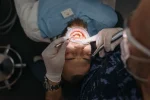


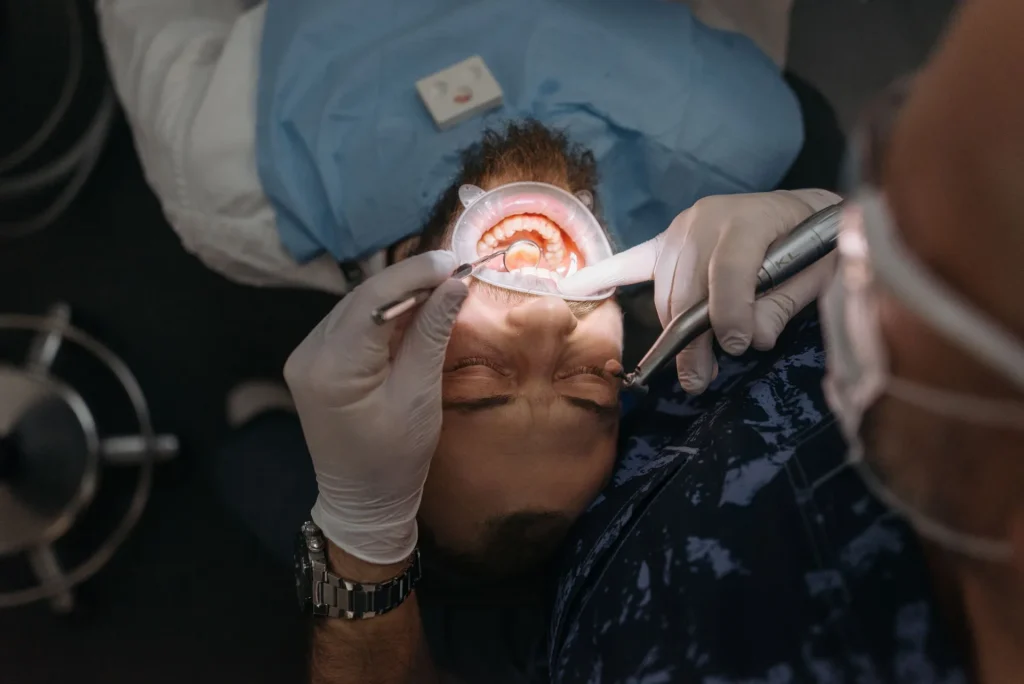
Yes, a dentist can notice some signs that may point to sleep apnea. Worn teeth, a scalloped tongue, and a narrow mouth are a few of them. A dentist cannot diagnose sleep apnea, but they can suggest a sleep test with your doctor. If you see a dentist in SW Calgary, you can ask them to watch for these clues during your checkup.
What Is Sleep Apnea in Simple Words?
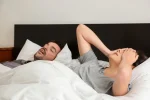
Sleep apnea is a sleep problem where your breathing pauses again and again at night. Each pause is short. Your body wakes up a little to start breathing again, often without you knowing.
The most common type happens when the throat muscles relax too much, and the airway narrows. People who read about obstructive sleep apnea in Killarney, Calgary, often want to know if it is common. It is fairly common, and many people have it without knowing.
Poor sleep can leave you tired, moody, or foggy during the day. Over time, it may also affect heart health and blood pressure, so it is worth taking seriously.
Why Would a Dentist Notice This?
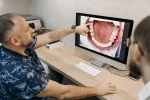
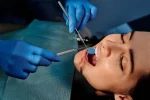
Your dentist looks at your teeth, gums, tongue, jaw, and throat every visit. Sleep problems can leave small clues in these places. A dentist sees your mouth up close, and that gives them a good chance to spot patterns.
Still, these clues are only hints. Many people with these signs sleep well. Many people with sleep apnea show none of them.
What Signs Can a Dentist See?
Here is a quick table of what your dentist may notice and what it might suggest.
| What the Dentist Sees | What It May Suggest |
|---|---|
| Flat or worn teeth | Grinding at night |
| Scalloped edges on the tongue | The tongue may be pressing on teeth. |
| Dry mouth | Breathing through the mouth while asleep |
| Narrow jaw or high roof of mouth | Less room for the airway |
| Red or swollen throat | Frequent snoring or mouth breathing |
| Large tonsils | A smaller space for air to pass |
| Gum trouble | Dry mouth and poor sleep can both play a part |
Flat or Worn Down Teeth
Some people grind or clench their teeth at night. This is called bruxism. Studies have looked at a link between worn teeth sleep apnea patterns, since grinding may happen when the body tries to keep the airway open. The link is not fully clear, so worn teeth alone do not mean you have sleep apnea.
Your dentist may see:
- Flat biting surfaces
- Small chips or cracks
- Teeth that look shorter than before
A Scalloped Tongue
A scalloped tongue has wavy or rippled edges. The ridges are often marks from the teeth. They can show up when the tongue is large or sits too far back in the mouth. Some sleep experts point to scalloped tongue sleep apnea connections, though other things can cause it too, like allergies or dry mouth.
A Narrow Mouth or High Roof
Some people have a narrow upper jaw or a high, arched roof of the mouth. This may leave less room for the tongue. That can make the airway tighter while you sleep.
Dry Mouth and Gum Problems
Do you wake up with a dry mouth or a sore throat? You may be breathing through your mouth at night. A dry mouth can raise the chance of cavities and gum trouble over time. Dentists often see this long before a patient thinks about sleep.
Is It Just Snoring or Something More?
Not all snoring is sleep apnea. Many people snore and are perfectly fine. Still, loud snoring with other signs deserves a closer look.
Here is a simple way to think about snoring vs. sleep apnea:
| Feature | Simple Snoring | Possible Sleep Apnea |
|---|---|---|
| Sound | Steady, softer | Loud, with gasps or choking |
| Breathing pauses | No | Often yes. |
| Morning feeling | Usually rested | Often tired, headachy |
| Daytime sleepiness | Rare | Common |
Only a sleep test can tell the difference for sure. If a partner says you gasp or stop breathing at night, it is a good idea to speak to your doctor.
What Warning Signs Can You Spot at Home?
You do not need to wait for a dental visit. Take note if you often have:
- Loud snoring most nights
- Gasping or choking during sleep
- Morning headaches
- A dry mouth when you wake up
- Feeling very tired even after a full night in bed
- Trouble focusing during the day
- Waking up often to use the bathroom
- Grinding or clenching sounds at night
Having one or two of these does not mean you have sleep apnea. If several sound familiar, speak with a doctor.
What Happens After a Dentist Notices Signs?
Do not worry if your dentist brings it up. It is simply a gentle heads-up. Here is how things often go:
- Your dentist points out what they noticed.
- They ask a few questions about your sleep and health.
- They may suggest you see your doctor for a sleep test.
- A sleep test is done at home or in a sleep clinic.
- A doctor reviews the results and explains the options.
Some people use a CPAP machine, which gently pushes air into the airway. Others may use a custom mouth device made by a dentist trained in this area. Lifestyle changes can help too, such as weight management, avoiding alcohol close to bedtime, and changing sleep position.
The right choice depends on your health and your doctor’s advice.
Why Regular Dental Visits Help
Regular checkups give your dentist a chance to notice small changes over time. If you are looking for a dentist near you, choose a clinic where you feel comfortable asking questions about sleep, grinding, or a dry mouth.
It is also fine to ask whether a sleep apnea screening dentist in SW Calgary families visit can be part of your regular exam. A short screening may simply involve questions and a look at your mouth and throat.
Many people also type dentist signs of sleep apnea teeth Glamorgan Calgary into a search bar when they want answers close to home. Clear, local information can make the first step feel easier.
A Few Simple Habits for Better Sleep
While these habits may enhance your sleep, they aren’t substitutes for medical care:
- Be consistent with your bedtime.
- Make an effort to sleep on your side.
- Avoid drinking alcohol and eating a lot before bed.
- Don’t smoke.
- Don’t let your allergies stop you from enjoying.
- If you wake up with sore jaws, see your dentist.
Small Clues, Better Rest
At Glamorgan Dental, our team believes a checkup is about more than teeth. We take time to listen, explain what we see, and answer your questions in plain words. If you have noticed heavy snoring, a dry mouth, or worn teeth, we welcome you to book a visit. There is no pressure, and you can ask us anything.
FAQs
Can a dentist diagnose sleep apnea?
No, only a sleep test ordered by a doctor can confirm it.
Does grinding my teeth mean I have sleep apnea?
Not always, since stress and other causes can lead to grinding too.
Can children have these signs?
Yes, so a dentist may mention them if a child snores loudly or breathes through the mouth.
Do I need a referral to talk to my dentist about sleep?
No, you can bring it up at any regular visit.